
 Frederick Potter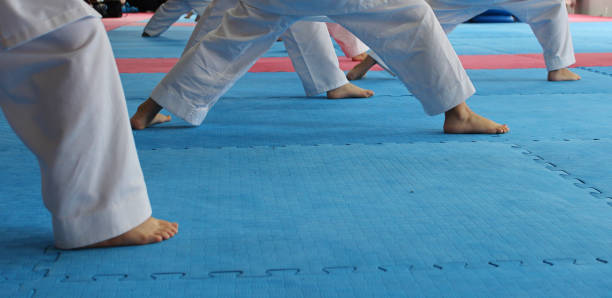
In martial arts, control matters as much as power. Each fall, sweep, and throw carries impact that travels fast through muscle and bone. What stands between a safe landing and a painful one isn’t luck it’s the mat. Martial arts mats exist for one reason: to let people train hard without breaking the bodies that do the work. The wrong mat might feel fine at first, but time always exposes its weakness.
A proper mat does more than cushion. It manages energy. When a fighter lands, the mat compresses in stages, absorbing shock before releasing it slowly. Thin mats can’t do this well; they bottom out too soon, leaving joints to take the force. That’s why experienced practitioners choose thicker, high-density mats that spread pressure evenly. The goal isn’t softness it’s stability that reacts intelligently to impact.
Most martial arts mats use layered foam structures to achieve that balance. The top layer grips bare feet or training shoes, helping movements stay sharp and grounded. Beneath it, a firmer core resists over-compression. That combination prevents slips while still protecting knees, hips, and shoulders. Texture matters too. A slightly rough surface keeps footing secure during pivots or takedowns, while smooth vinyl finishes make cleaning quick after sweaty sparring sessions.
Different styles demand different densities. A judo dojo needs thicker padding for full throws and rolls. Taekwondo or karate schools prefer slightly firmer mats for speed and footwork precision. Mixed martial arts gyms often combine zones soft where fighters grapple, firm where they strike. No one mat fits every discipline; it’s about matching the surface to the rhythm of movement.
Maintenance plays a quiet but vital role. Mats that lose their rebound become unsafe even if they look fine. Coaches test them by pressing down with a palm or knee, feeling how quickly the foam recovers. A slow return means fatigue has set in. Replacing sections may seem like a hassle, yet skipping it risks long-term injury. Consistent upkeep keeps training predictable, and predictability builds trust between fighter and floor.
Quality also depends on how mats connect. Loose tiles or uneven joins can catch toes or fingers during drills. Interlocking edges solve this, creating a single, seamless surface that won’t slide apart under pressure. Some gyms use underlay or anti-slip backing for added security. When the floor stays firm, confidence follows. It’s a small technical detail with a big psychological payoff.
The best martial arts mats balance practicality and longevity. Closed-cell foam resists moisture, preventing odour and mould. Durable covers handle constant cleaning without cracking. High-end models meet safety standards set by sports organisations, ensuring impact absorption is measured and proven, not guessed. These details don’t show in photos, but they reveal themselves every time someone falls and gets up unhurt.
Training on the wrong surface changes technique. A mat too thin makes athletes cautious, shortening their motion. They pull punches, hesitate on throws, and tense during rolls. Fear of injury builds tension, and tension kills precision. A mat that feels right encourages commitment. Fighters relax into movement, trusting that mistakes won’t mean bruises or strains. That trust becomes invisible but essential.
There’s also a cultural weight to using proper equipment. Respect for the dojo includes respect for its tools. Clean, firm mats signal discipline and care. They create an atmosphere that values both safety and progress. Beginners notice this first it tells them their well-being matters, that they’ve entered a place built for learning, not showing off.
Serious martial artists don’t settle for thin mats because they understand the cost of shortcuts. The right foundation protects ambition. It lets them train harder, repeat longer, and walk away ready to return tomorrow. Skill grows from practice, and practice survives through protection. A good mat doesn’t just soften the fall it keeps the art alive, steady beneath every strike and throw.