
 Frederick Potter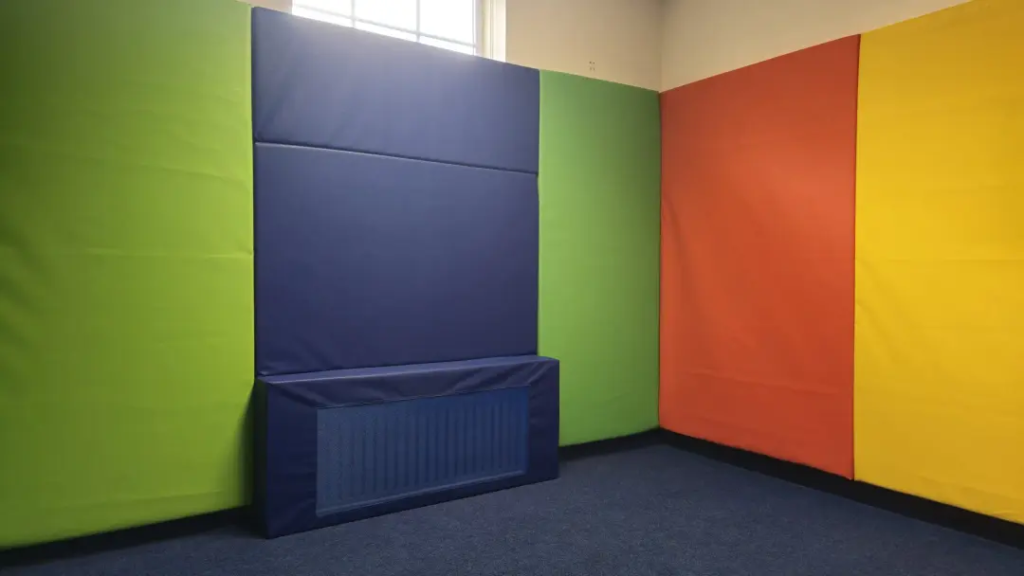
Most facilities invest heavily in floors, equipment, and layout, but often overlook one area that carries real risk. Walls. They are part of almost every movement space, yet they are rarely treated as a safety surface. That gap becomes more noticeable as activity levels increase, especially in gyms, martial arts studios, schools, and multi-use halls.
Wall padding is not always the first upgrade people think about because it does not add performance in the same way equipment does. It does not improve strength, speed, or technique. What it does is reduce the impact when something goes wrong. That may sound basic, but it plays a direct role in injury prevention.
In many facilities, walls are close to training areas. This is common in smaller gyms, school spaces, or studios where every square metre is used. During drills, sparring, or even general movement, people can lose balance or be pushed off line. Without protection, even a minor collision can lead to injury. Hard surfaces do not absorb force. They reflect it.
Adding wall padding changes that interaction. Instead of a direct hit against a rigid surface, the force is absorbed and spread out. This reduces the chance of cuts, bruises, and more serious injuries. It also gives users more confidence to move freely within the space, which affects how they train.
The need becomes clearer in contact-based activities. Martial arts, wrestling, and certain fitness classes involve unpredictable movement. Participants may be thrown, pushed, or forced into defensive positions near the edges of the training area. Even with controlled practice, there is always a level of uncertainty. In these cases, padded walls act as a secondary layer of safety, supporting the floor system rather than replacing it.
Schools face a similar situation, but with a different group of users. Students may not always be aware of their surroundings during physical activity. Games, group exercises, and general play can bring them close to walls without much warning. Installing wall padding in these environments reduces the severity of accidental contact. It also helps staff manage risk without constantly limiting movement.
One reason this upgrade is missed is because it is not always required by basic facility standards. Many guidelines focus on flooring and equipment spacing, which are easier to measure. Walls are often treated as fixed boundaries rather than active parts of the space. As a result, they are left unchanged even when the rest of the facility is improved.
Cost is often the final hesitation. Compared to large equipment purchases, wall padding may seem like a secondary expense. However, when viewed in terms of risk reduction, it becomes easier to justify. Injuries, even minor ones, can disrupt operations, affect reputation, and lead to additional costs. Preventing those situations is part of running a stable facility.
There is also a longer-term benefit. Spaces that feel safe encourage better use. Users are more likely to train with confidence, coaches can run sessions without constant adjustment, and the environment becomes more consistent overall. These effects are not always immediate, but they build over time.
Using wall padding is not about turning every surface into a soft barrier. It is about recognising where impact is likely and responding to it. Facilities already invest in flooring for this reason. Extending that thinking to walls creates a more complete safety system.
Many upgrades focus on performance, appearance, or capacity. This one focuses on protection. It does not change how a facility looks dramatically, but it changes how it behaves when something goes wrong. That is where its value sits.
For facilities that already meet basic standards, this is often the next step. It addresses a risk that is easy to ignore but difficult to manage once an incident happens. In that sense, wall padding is less of an optional addition and more of a missing layer in many spaces.