
 Frederick Potter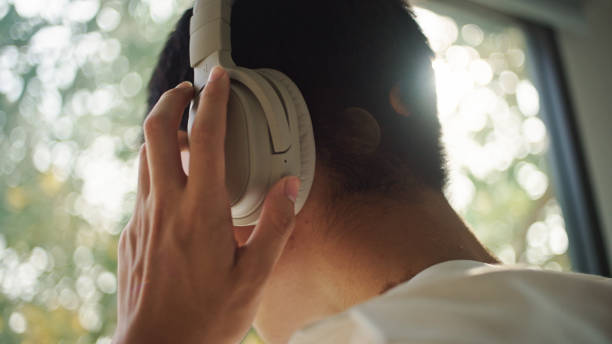
For years, sound has been flat. Two speakers, one on each side, doing their best to create a sense of space. But listening habits have changed, and so has technology. The shift from stereo to immersive sound is no longer a luxury reserved for studios or cinemas. It’s slowly becoming part of everyday life.
At the centre of this shift is a group of technologies known as spacial audio solutions. They work by simulating how humans naturally hear. Instead of sound simply coming from left or right, it feels as if it moves around and above the listener. This approach doesn’t just aim to impress; it mirrors how ears and brain interact in real environments. When done well, it blurs the line between recorded sound and reality.
In music production, the difference is immediate. Producers can now position instruments as if they were standing inside the recording room. A guitar riff might appear behind you, while the vocals sit perfectly in front. The listener isn’t just hearing music but experiencing a full three-dimensional scene. It changes how artists compose and how audiences respond.
Streaming platforms have noticed. Services like Apple Music and Tidal already include support for these technologies, giving artists tools to create richer mixes. The growing adoption also means studios are upgrading their hardware and software to keep up. For professionals, it’s not about chasing a trend but meeting a new expectation. Once listeners get used to this level of detail, they rarely want to go back.
Gaming and film industries were among the first to embrace it. In a game, for example, a player can hear footsteps coming from behind or a vehicle passing overhead. The accuracy adds realism and helps with focus and reaction time. In films, surround sound has long been used, but spacial techniques push it further. Now, sound designers can build layers that feel completely alive not anchored to one position.
Outside entertainment, its uses keep growing. In healthcare, it assists patients in virtual rehabilitation exercises. In education, it helps simulate real-world environments for safer training. Even in online meetings, sound positioning can make conversations clearer by separating voices in virtual space. These examples show that spacial audio solutions have moved beyond novelty. They now serve practical roles in productivity and wellbeing.
There’s still hesitation from some professionals. Adopting new formats means updating equipment and workflows. Not every organisation can justify the cost yet. But as more software becomes compatible, and as consumer devices continue to support immersive playback, barriers are slowly falling. The conversation has shifted from “if” to “how soon.”
Listeners also play a big role. People want content that feels natural and personal. Headphones with built-in sensors now track head movement, adapting the sound field accordingly. This small detail creates a sense of presence that plain stereo can’t match. It’s subtle, but once noticed, it’s hard to ignore. For many users, it becomes the moment they realise how immersive sound can completely transform everyday listening.
Looking ahead, the biggest challenge might not be technical but creative. Engineers and musicians must learn to think in space rather than on a flat grid. The potential is huge, yet it demands new instincts about where sound should live. For those who master it, the reward is a listening experience that feels closer to life itself.
As technology continues to evolve, one thing is becoming clearer. The way humans connect with sound is changing forever. With spacial audio solutions shaping everything from streaming to storytelling, the boundary between hearing and feeling sound grows thinner each day.