
 Frederick Potter
Two speakers can look similar on a shelf yet be designed for very different jobs. A speaker in a living room usually serves one listener or household. A speaker in a café, office, or retail store becomes part of a system that staff may use for hours across several spaces. The main difference is the operating environment the equipment is designed to support.
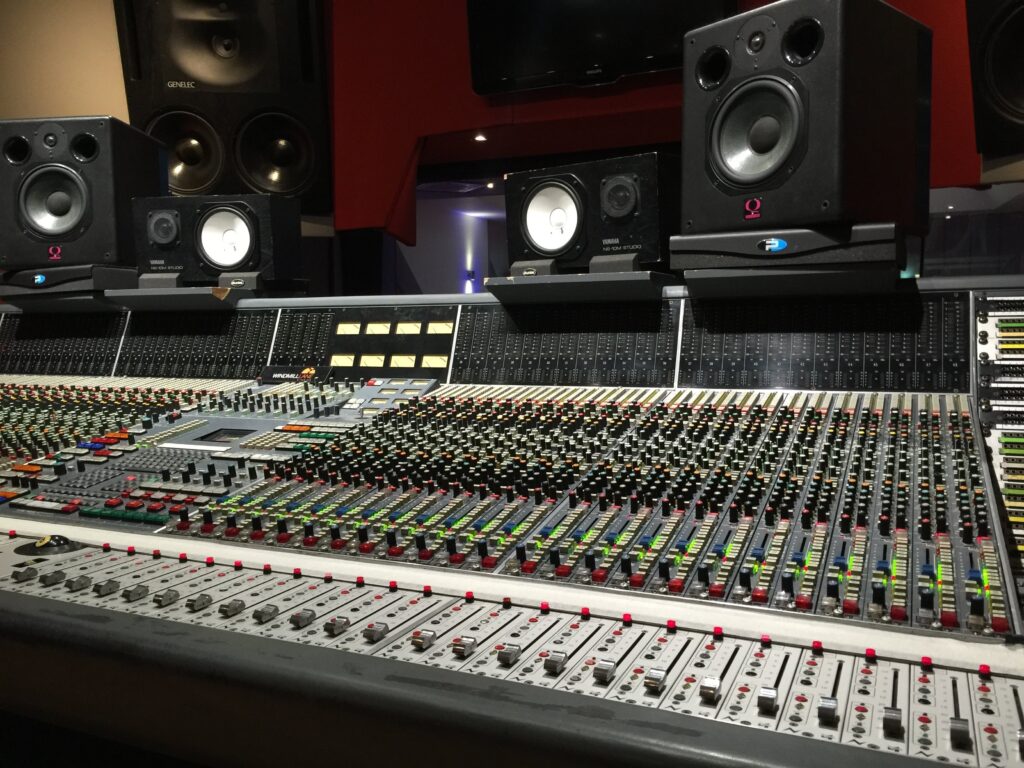
Listening at home versus serving a space
Home audio often prioritizes enjoyable sound in a particular listening position. The owner can move a chair, adjust the volume, and choose when to turn the system off. A commercial space rarely offers that freedom. Customers and employees move around, background noise changes, and sound may need to reach many locations without becoming uncomfortably loud near a speaker.
A business may use several speakers working together at moderate levels, instead of relying on two larger speakers at one end of a room. The goal is suitable sound throughout an occupied area, not necessarily the same listening experience as a stereo system in a quiet home.
Use also affects how speakers are judged. A homeowner may adjust sound for a favorite chair, whereas a store manager has to think about the checkout counter, aisles, and waiting area at once. This makes a site survey worthwhile when comparing installed equipment with household alternatives, particularly in irregularly shaped rooms.
Design for routine operation
Consumer equipment can perform well in its intended setting. That does not mean it is automatically suitable for a workplace installation. For business settings, commercial audio speakers are generally selected with mounting options, system integration, operating patterns, and the needs of staff in mind. Actual capabilities vary by model, so a business should review documentation rather than treating the word commercial as a guarantee.
A store may play music throughout opening hours, while a meeting facility may switch between speech and recorded content several times a day. Reliable operation also depends on correctly matched amplifiers, ventilation where required, appropriate cabling, and maintenance. Even a well-built speaker will struggle if the wider system is poorly designed.
Wiring and control can change the choice
Some installations with commercial audio speakers use a constant-voltage system, often described by its nominal voltage rating, to serve multiple speakers efficiently. Others use conventional low-impedance connections. Neither approach is automatically correct for every site. The number of speakers, cable runs, amplifier design, and required control all matter.
Businesses may also need separate audio zones. A restaurant can keep music quiet in the dining area while the bar uses a different level. A shop may need staff controls that do not expose complicated settings. These requirements are rarely central to choosing a pair of household speakers.
Appearance and installation count too
Speakers in public areas must fit the room. Ceiling, pendant, wall-mounted, and other commercial formats can help installers work around architecture and seating. Safe mounting and suitable equipment for damp or outdoor locations require attention to the specific environment and manufacturer’s instructions.
Installation, amplification, controls, servicing, and the possibility of later expansion influence the overall decision. A cheap unit that cannot be integrated properly may create extra work, while a more complex system may be unnecessary for a small room.
Another difference is who will use the system after installation. At home, one person may know every control. At work, several employees may share responsibility, and visiting technicians may need clear documentation. Well-labeled zones, accessible maintenance points, and a straightforward fault-reporting process can matter as much as the loudspeaker cabinet. These are system design choices, not qualities that can be judged from appearance alone.
Compare the brief, not the label
Consumer speakers remain a sensible choice for personal listening and some small, informal uses. Here, commercial audio speakers become more relevant when a business needs predictable coverage, coordinated controls, and equipment suited to a professionally installed system. The best comparison starts with how a space operates, then checks the actual specifications and support requirements of each proposed solution.